|
|
Last
Modified on
Apr 06, 2026
When you or a loved one suffers from a mental disability and is faced with criminal charges, it is imperative that you hire a criminal defense lawyer who understands how mental health can impact criminal proceedings. Many defendants who suffer from intellectual disabilities may be able to secure mitigated penalties such as alternatives to incarceration. Elizabeth Kelley can help you learn more about the potential legal options available in your situation.
The Prevalence of Mental Illnesses and Disabilities in the United States
Many people don’t understand the importance of caring for their mental health, or they lack the ability to receive mental health services. The National Alliance on Mental Illness tracks mental health research conducted in the United States. In 2024, they found that one in five adults experiences mental health issues each year. Additionally, one in 20 adults experiences serious mental illness each year.
Potential Alternatives to Incarceration for Defendants With Mental Disabilities
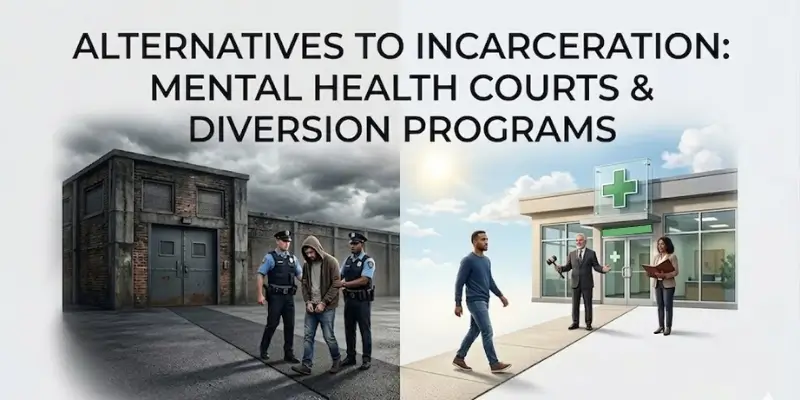
Each state is free to devise its own alternatives to incarceration. The alternatives that are available to a defendant will vary depending on their mental disability, the severity of their crime, and what courts view as most beneficial. Alternative sentencing options are becoming more common throughout the country, allowing those who suffer from mental disabilities or substance abuse issues to seek treatment when they need it.
Common sentencing alternatives for those with mental disabilities include:
- Mandated mental health treatment
- Mandated drug or alcohol rehabilitation
- Community service
- Probation
- House arrest
If you are facing criminal charges, your criminal defense attorney can help recommend appropriate alternatives.
Understanding Diversion Programs
Diversion programs can occur at any stage of the criminal justice process and allow defendants to seek treatment instead of being charged, arrested, or convicted of a crime. Common diversion programs include:
- Pre-police programs which direct mental health calls to community responders instead of police officers.
- Pre-arrest programs that allow officers to steer people toward treatment programs or community support instead of making an arrest.
- Pre-charge diversion programs, which allow prosecutors the discretion to divert offenders to treatment programs instead of filing formal charges.
- Pretrial diversion programs that allow offenders the option to complete treatment programs in exchange for having charges reduced or dismissed.
Specialized Courts You May Encounter
There are various specialized courts throughout the country that handle different subjects. When you’re involved in a criminal case involving a defendant who suffers from a mental disability, you may encounter courts such as:
- Mental Health / Problem-Solving Courts. These courts emphasize treatment over punishment when handling cases that have been brought against someone who is mentally ill.
- Family Courts. These courts handle all cases involving domestic and familial relationships. If the defendant committed a crime involving a family member or someone they share a close relationship with, they may have to face proceedings in family court.
- Veteran Courts. These courts exclusively consider cases involving veterans. These offenders often have underlying trauma and mental illness related to their time in combat.
Why You Should Hire a Criminal Defense Lawyer
When you or a loved one is facing criminal accusations while struggling with an intellectual disability or mental illness such as PTSD or schizophrenia, it’s crucial that you seek skilled assistance from an experienced criminal defense lawyer. Elizabeth Kelley understands how mental disabilities are treated in the criminal justice system and is ready to craft a powerful defense tailored to your needs.
FAQs
What Is the Most Common Alternative to Incarceration?
There are many alternatives to incarceration across the United States. After an arrest, diversion programs and mental health courts divert offenders away from incarceration and toward available community-based treatment options. This makes community service and mandated drug and alcohol treatment programs some of the most common alternatives to incarceration, as they prioritize helping the defendant heal.
What Alternatives Exist for Juveniles With Mental Disabilities Who Commit a Crime?
Many alternatives to incarceration exist for juvenile offenders who have a mental illness or disability. Specialized mental health courts and diversion programs exist, similar to the adult versions. Juveniles also have several therapy options that focus on building family ties and addressing behavioral issues. You should consult a defense lawyer to learn more about potential alternatives for juveniles.
Why Is Treatment Considered Better Than Incarceration?
There are several reasons why treatment is better than incarceration. One being that defendants who seek treatment have a stronger chance of improving, deterring them from becoming repeat offenders. Financially, incarceration is more expensive than community-based alternatives, so alternative sentencing options also save funds for the criminal justice system. Community-based treatment programs have access to more resources than jails or prisons.
Where Do the Mentally Ill Go When They Are Sentenced to Jail?
When someone who is mentally ill is sentenced to jail for a criminal offense, there are several different ways the jail may handle housing that person. If the person’s mental illness is not considered severe, they are likely to be housed with the general population. If the condition is disruptive or requires constant treatment, they could be housed in a psychiatric unit or a medical ward if one exists. Oftentimes, extremely disruptive inmates are kept in solitary confinement.
What Is the Insanity Defense?
Each state has created its own version of an insanity defense, sometimes referred to as a guilty but mentally ill defense. When this type of defense is used, it is stating that the defendant committed the alleged crime, but was insane at the time the crime was committed. When a defendant is found not guilty by reason of insanity or guilty but mentally ill, they are often confined to a psychiatric facility until they recover or are considered no longer a danger.
Contact Elizabeth Kelley
When you hire a criminal defense lawyer like Elizabeth Kelley, you can trust that a dedicated legal advocate can help you understand your rights and protect your freedom by working for alternatives to incarceration and even dropping charges. Elizabeth Kelley has extensive experience representing clients who have been diagnosed with intellectual disabilities and is ready to put her knowledge to use for you.
Attorney Kelley is licensed to practice law before the U.S. Supreme Court, the Sixth and Ninth Circuits, throughout the State of Ohio, and has worked as co-counsel on cases across the United States. If you or a loved one has been charged with a crime but also has a mental disability, contact Elizabeth Kelley today to discuss your case.