Books
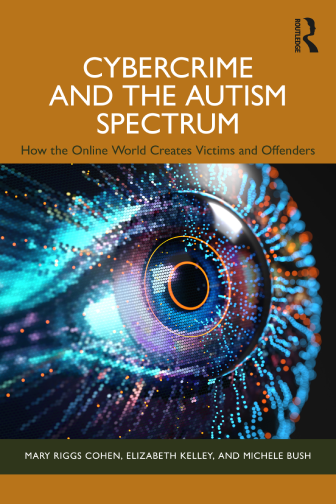
Cybercrime and the Autism Spectrum
Cybercrime and the Autism Spectrum explores the intersection of cybercrime and the autism spectrum, offering a multidimensional perspective from a clinician, an attorney, and a technical forensic expert. With a focus on real-life anonymized cases, discover how the online world impacts autistic individuals as both victim and offender.
This book provides strategies on how to detect and prevent autistic individuals engaging in criminal behavior online, such as communication with minors, child pornography, stalking, and online radicalization. Current research and clinical case studies provide a sympathetic and non-pathologizing insight into recognizing problematic behavior, creating online safety, and treatment for autistic individuals.
This is essential reading for mental health professionals working with neurodiverse individuals and their families, attorneys working with autistic clients, judges, law enforcement officers, those in training, and anyone seeking to understand the challenges and vulnerabilities facing autistic people in the digital age will have renewed compassion for the difficulties they face.
New Second Edition
Late Summer 2024– Contains updated content plus new chapters on topics like substance use disorders and post-conviction remedies.

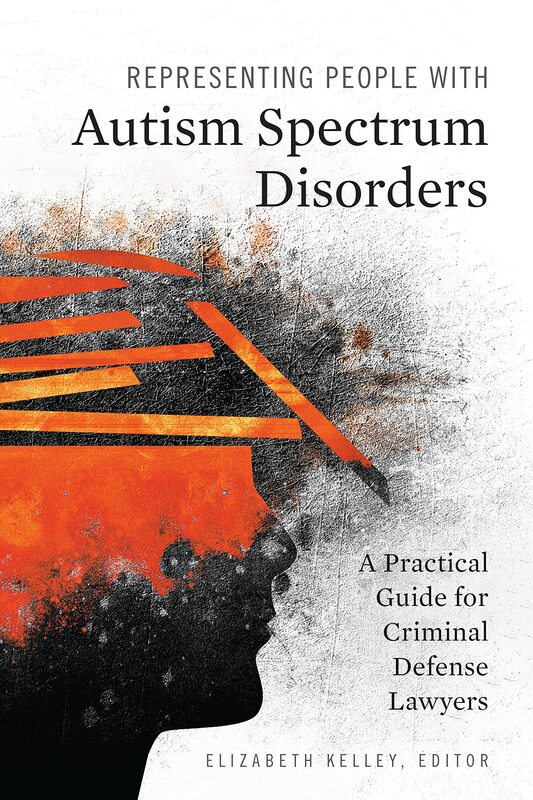
Representing People with Autism Spectrum Disorders
The reason for compiling the expert opinions in Representing People with Autism Spectrum Disorders: A Practical Guide for Criminal Defense Lawyers is two-fold: first, there is a growing recognition that people with ASD are involved in the criminal justice system and need vigorous, informed advocacy; and two, that there is a need for practical, easily digestible information for lawyers.
If you are a criminal defense lawyer, it is inevitable that you are going to represent someone on the Autism Spectrum. Indeed, the Center for Disease Control estimates that one in 59 children are on the spectrum. And because Autism is a lifelong condition, these children will become adults on the spectrum.
But what is Autism Spectrum Disorder (ASD), how will you recognize it in a client, why is it relevant to the criminal justice system, and why do people with ASD get ensnared in the criminal justice system?
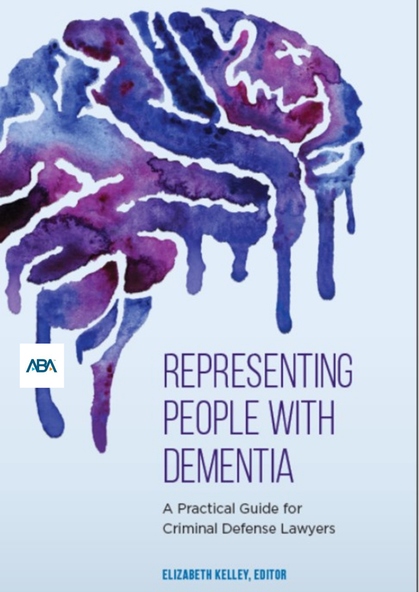
Representing People with Dementia
The gradual graying of individuals accused of crimes, as well as of those already incarcerated, may turn into a silver tsunami for the criminal legal system. The general population is living longer, and the cognitive challenges that may accompany this can cause criminal conduct. And because of draconian prison sentences, including lengthy mandatory minimums, and three-strikes laws, our prison population is growing older.
Edited by criminal defense lawyer, Elizabeth Kelley, Representing People with Dementia: A Practical Guide for Criminal Defense Lawyers provides easily digestible information for lawyers representation this growing nontraditional population. This book contains chapters written by mental health experts, academics, and attorneys. It covers every stage of the criminal justice process as it affects people with dementia, from the initial concerns of competency and criminal responsibility to conditions if jail and prisons. It also addresses topics such as testing, neuroimaging, and working with the expert.
Kelley, echoing the words of Attorney Bryan Stevenson in his oral argument in Madison vs. Alabama, writes: “This book is an attempt to help those who, because of dementia, are fragile, bewildered, and vulnerable–and to give their attorneys the tools to obtain a just and fair resolution to their case.”
*This copy comes from back cover
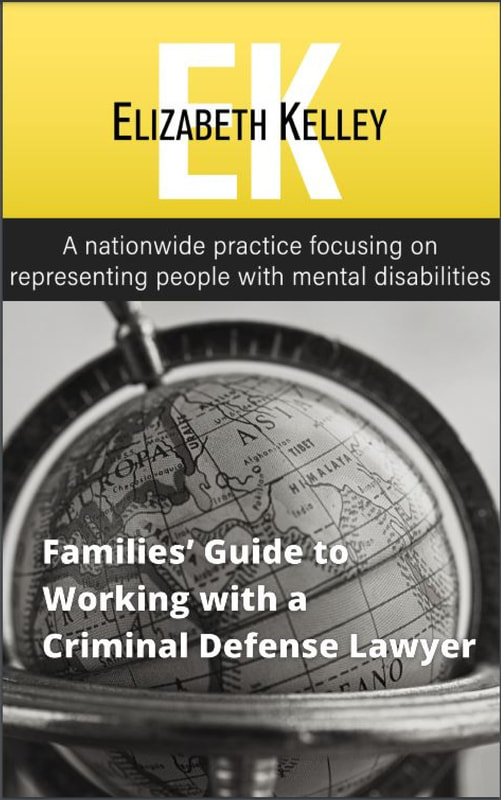
Families’ Guide to Working with a Criminal Defense Lawyer
Free PDF – Click to Download below.
Click the link below to listen to Elizabeth Kelley’s presentation on The Arc of New Jersey’s Equal Justice Talks webinar:
“Autism Spectrum Disorders and the Criminal Justice System Strategies for Prevention and Navigation”

We Practice Nationwide
Elizabeth Kelley Has Helped Clients In Over 25 Jurisdictions
Call Us Today
request a consultation
Please call or submit an inquiry ONLY if you are looking to hire legal representation for your case. We reserve our time and resources for cases where we believe we can make a real difference.
Fields marked with an * are required

©2026 Elizabeth Kelley, Attorney at Law. All rights reserved.
*Images are obtained under license from Canva and other third-party stock image providers, with attribution included where required.
Digital Marketing By 